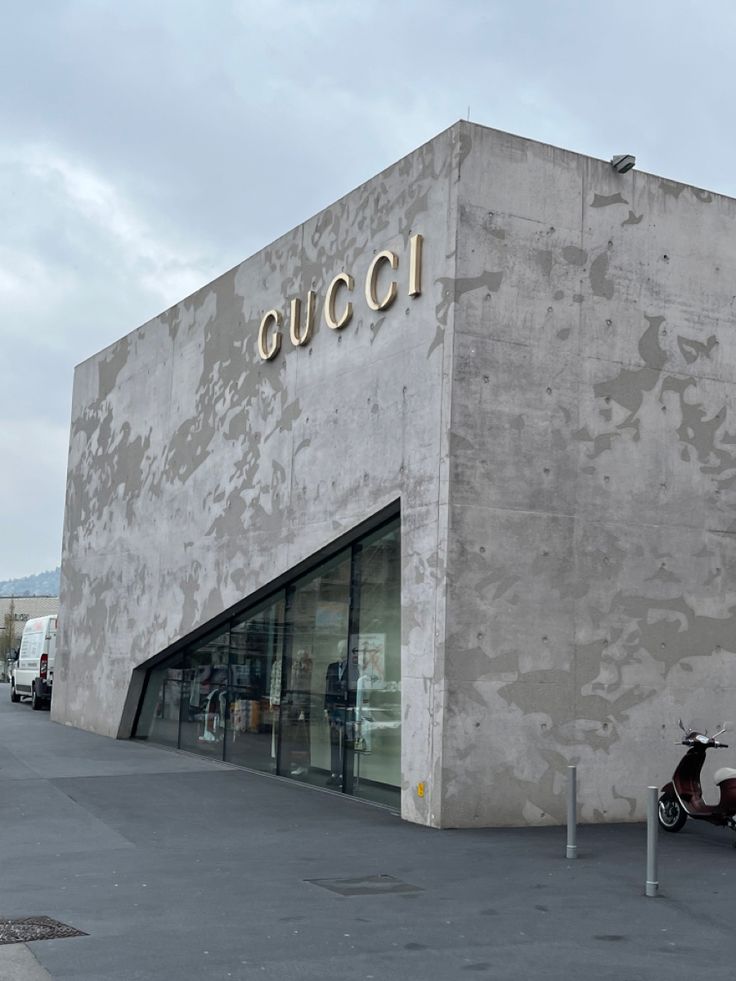
Exposed Concrete Facade
Definition and Philosophy
- The concrete surface remains without a final coating after molding
- Showing the texture, color and natural details of the concrete as an aesthetic element
- Minimalist, industrial and modern architectural style
Features
- Unique appearance with natural texture and mold traces
- Durability and high resistance to weather conditions and impact
- Resistance to fire and abrasion
- Simplicity and minimalism in Design
- Plasticity and execution of various geometric shapes
- Resistance to moisture using sealer or appropriate additives
Execution methods
- Precise design and calculations for the strength and shape of the formwork
- Choosing the appropriate concrete mixing plan with additives
- Precise and high-quality formwork
- Concreting and compacting with a vibrator, temperature and humidity control
- Concrete curing and opening the formwork after reaching sufficient strength
- Final finishing (sandblasting, acid washing, applying sealer/lacquer) optional
Advantages
- Modern and minimal beauty
- High durability and low maintenance requirements
- Resistance to fire and weather conditions
- Reduced cost compared to expensive stone or composite facades
- Ability to implement diverse designs and textures
Challenges and disadvantages
- Requires high precision in formwork, concreting and curing
- Sensitivity to stains and contamination without protection
- High cost of quality formwork for complex designs
- Requires skilled labor
- Damage is difficult to repair and match
- Requires thermal insulation if necessary
Applications
- Modern residential buildings: villas and apartments
- Office and commercial buildings: offices, shopping malls and galleries
- Cultural and artistic venues: museums and theaters
- Industrial spaces: factories and warehouses
- Bridges and urban structures
Hasco Holding’s exposed concrete facade, with its boldness, simplicity and honesty in materials, gives the building an industrial and modern look.


